01
For the design owner
Keep requirements and design records connected so the team can follow what the work needs to achieve.
Engineering & Design
Bring requirements, risks, tests and review records into the design conversation. Follow the links your team creates as the work develops.
Built for engineering leads, R&D teams and quality reviewers coordinating design work and its supporting evidence.
Read-only demo · no signup · sample data only
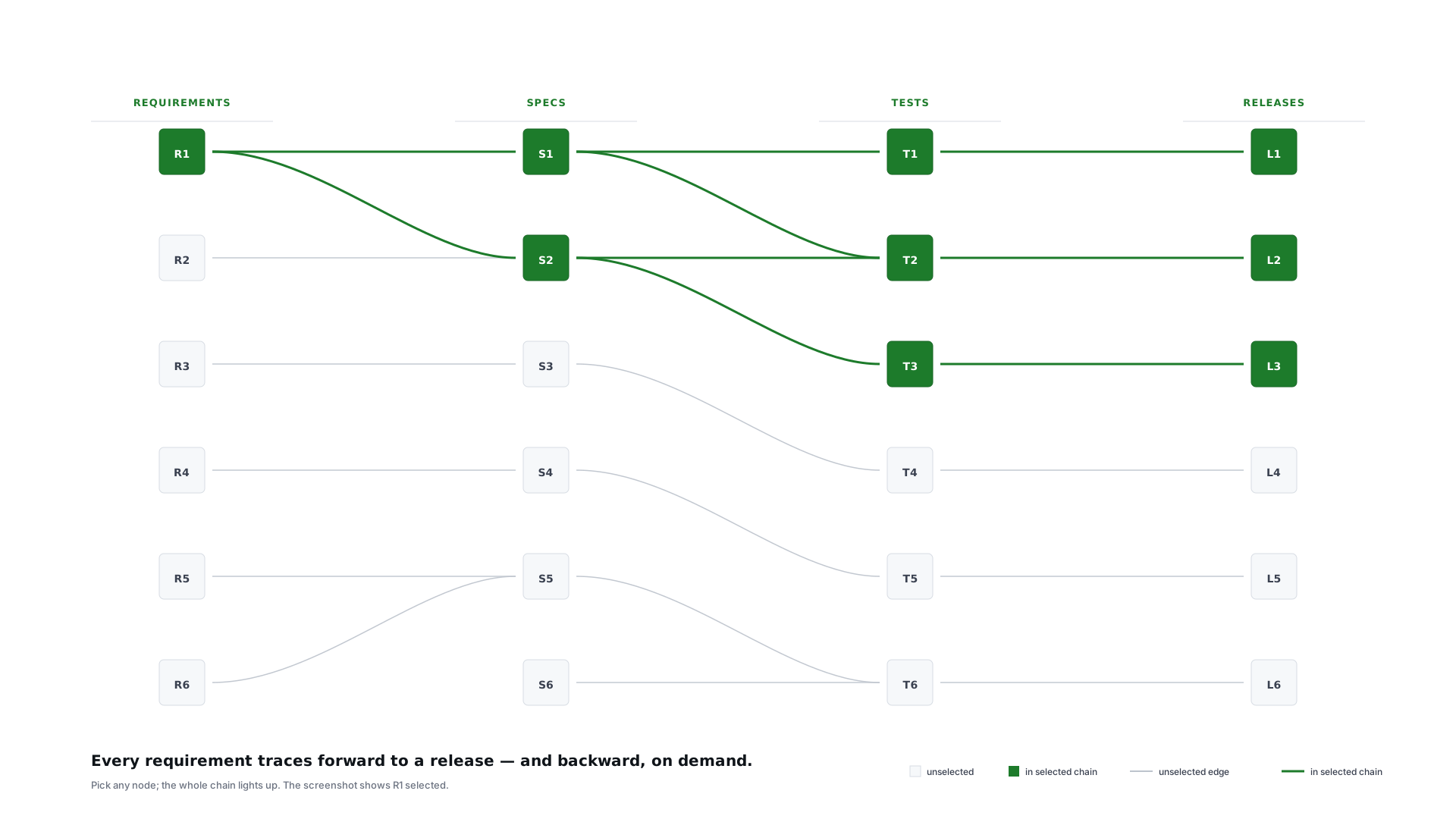
For the next design decision
Keep requirements, design references, tests and related risk context connected. Give your team more to work with when it reviews the next change.

Clarity for the team
Help the people making a design decision find the requirement, understand the risk and inspect the supporting work.
Keep requirements and design records connected so the team can follow what the work needs to achieve.
Review related test cases and recorded results alongside the requirement they address.
Bring the linked design, risk and test evidence into the review and identify what still needs attention.
A connected workflow
Use the relationships your team records to organize the next conversation. People still create, review and maintain the evidence.
Open the requirement and the related design records that explain the intended work.
At the handoffThe team gets a shared question to work from.
Inspect the linked risks, design references and test cases before deciding what needs attention.
At the handoffEach owner can see the context for the review.
Coordinate dependencies, tests and proposed changes with the people responsible.
At the handoffReviewers get the relevant records to inspect.
Review the available results and record the next decision or follow-up.
At the handoffThe team can return to the reasoning behind its next step.
Use design reviews, test management and traceability views to inspect the records and relationships your team maintains.
Work with FMEA and risk-register records alongside the design controls they relate to.
Record dependencies between teams and the interfaces they need to coordinate.
Review release content and controlled-change records with their owners and supporting history.
Review pipeline status and lab or equipment records alongside the engineering work.
Inspect a unit’s bill of materials and recorded inspection history with Operations.
Bring this to your walkthrough
Bring a redacted requirement, a related risk and the test evidence your review needs. We can inspect the relationships and discuss your configuration and validation needs.
Connected by design
Project, quality, Operations, HR and controlled-document solutions are included in one platform plan. Evaluate the records, roles and handoffs your team needs to bring together.
Review the linked requirements, design references and test evidence together.
Inspect the relevant unit, bill of materials and inspection records.
Coordinate the affected work and dependencies with the project team.
A walkthrough shaped around your work
Request a focused walkthrough of the records, relationships and review steps your team needs.
Browse all nine solutions →